Boost Toddler Skills with Educational Play
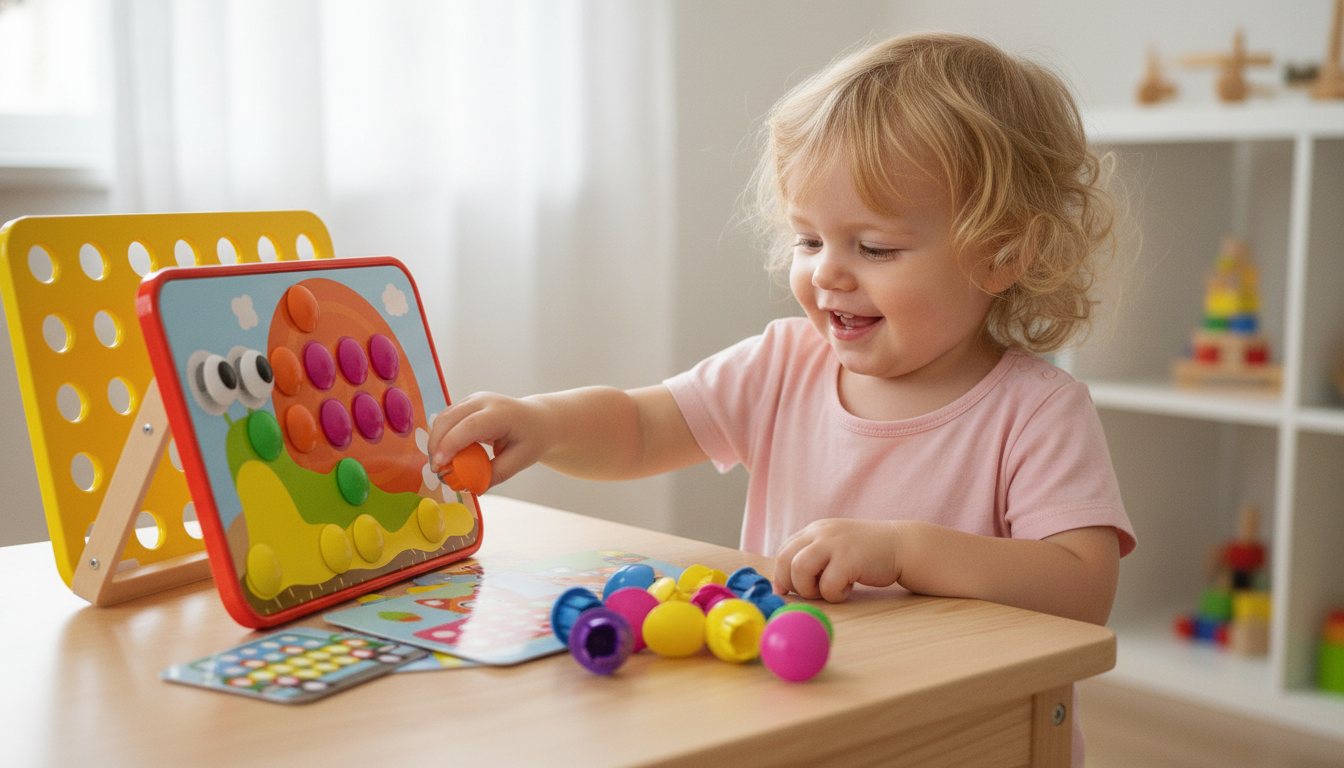
This colorful pegboard toy encourages toddlers to match and snap mushroom nails to pattern cards, promoting fine motor skills, color recognition, and… — Amazon
Ah, toddlers—the little explorers bursting with curiosity and nonstop energy, whose tiny hands are always on a mission. Ever notice your child mesmerized by a bright button or peg, as if unlocking a secret code? That’s no coincidence. Every tap, twist, and match is not just play—it’s a powerful brain workout in action.
If you’ve wondered how simple toys like color-matching pegboards or button art can turn your home into a vibrant learning zone, you’re in the right spot. These aren’t just charming toys—they’re thoughtfully designed tools that help toddlers discover the world through playful, hands-on learning. Get ready to make education colorful and fun!
Why Building Skills Through Play Is Crucial for Toddlers
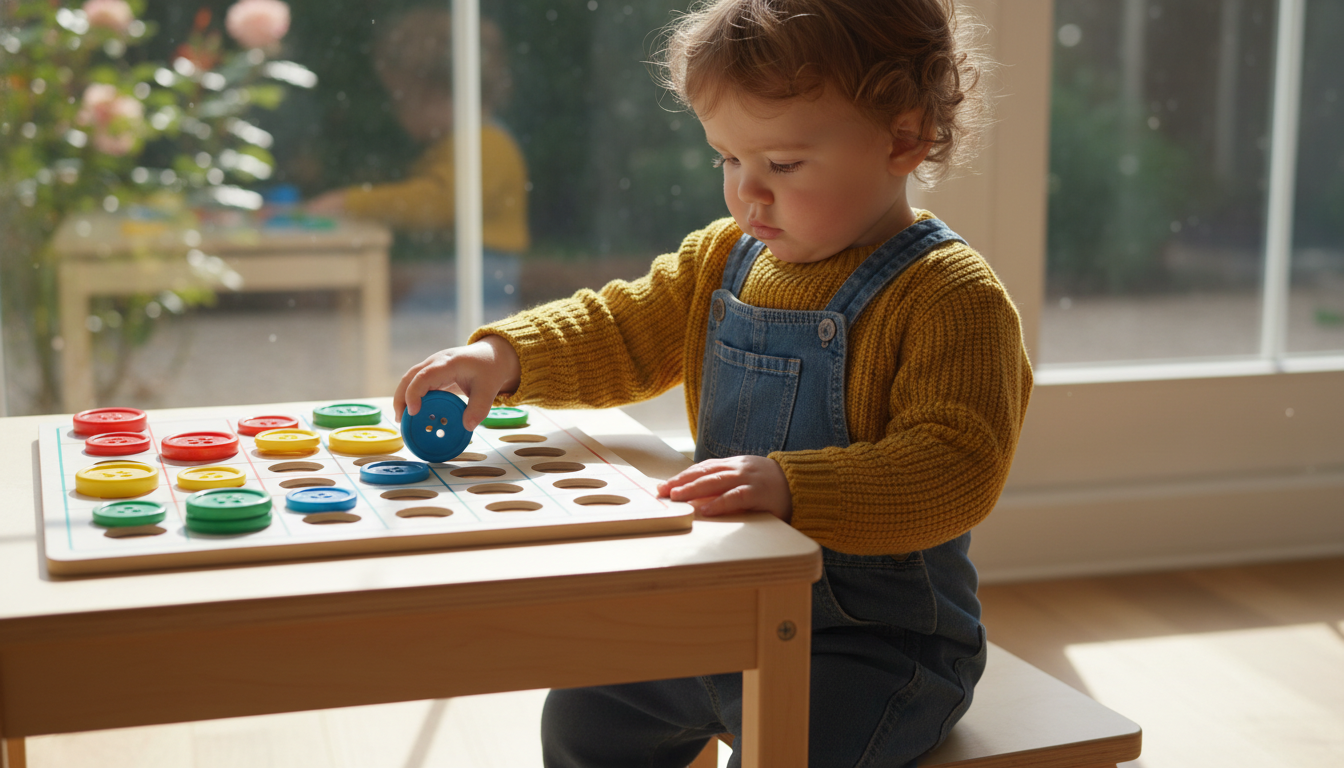
Toddlers (ages 3 to 5) are in a whirlwind phase of rapid brain growth. Their minds are wiring faster than a lightning bolt every time they explore. Every color, texture, and sound sparks connections that lay the foundation for language, focus, and social skills.
Educational toys that combine sensory experiences with problem-solving don’t just entertain; they build essential brain pathways. Experts agree that sensory-rich play sharpens memory, fine motor skills, and executive functions like planning and self-control. So when your little one matches a red button to a red hole, they’re quietly building math and attention skills too.
How Color Matching Pegboards and Button Art Toys Support Development
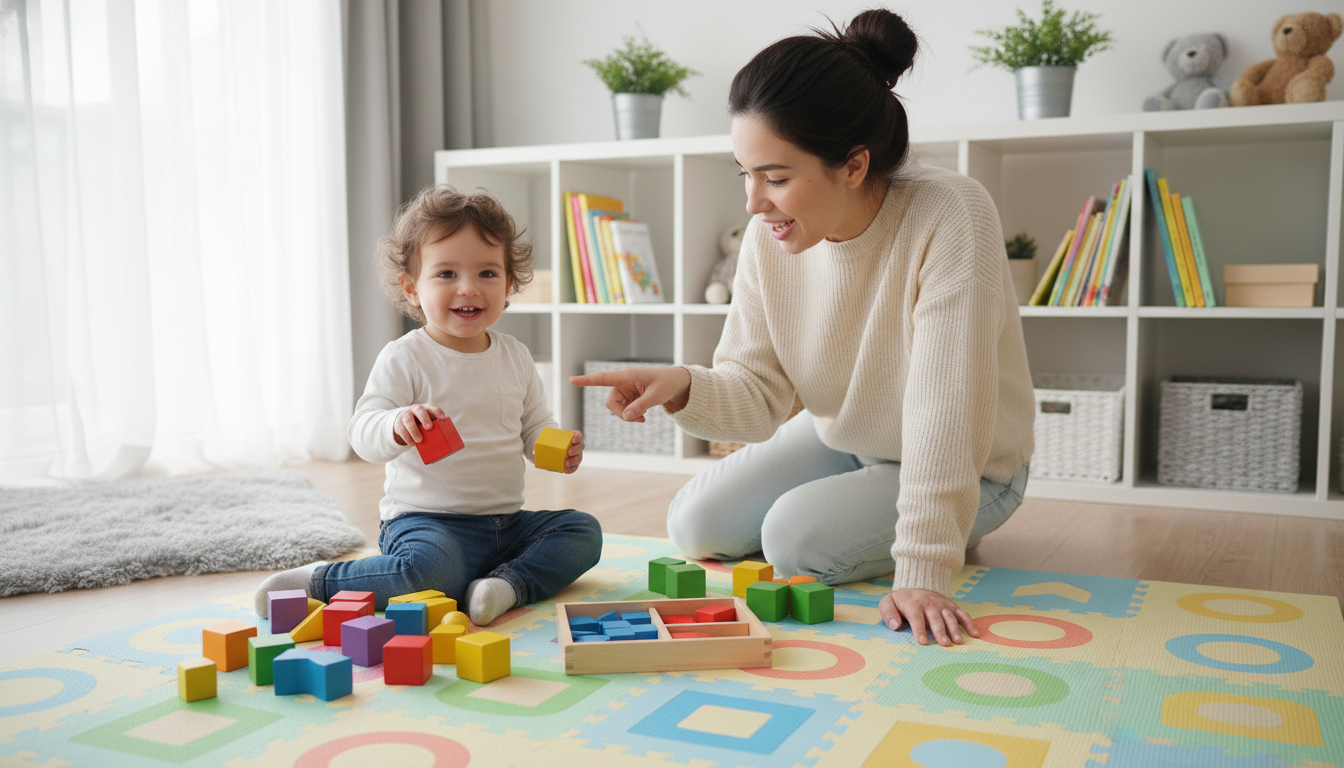
Let’s break down why mosaic pegboards and button art kits are more than just colorful fun—they’re packed with growth benefits for toddlers around 3 to 5 years old.
1. Enhancing Fine Motor Skills and Hand-Eye Coordination
Guiding chunky, mushroom-shaped buttons into slots helps tiny fingers develop precise movements. Your toddler practices:
- The pincer grasp using thumb and forefinger, a key skill for writing and everyday tasks.
- Smooth wrist and hand coordination to boost overall dexterity.
- Sensory feedback that tunes the brain’s sense of touch and pressure.
2. Boosting Color Recognition and Cognitive Skills
Watching your toddler match blues or greens brings giggles and big learning moments! This play:
- Strengthens visual discrimination for noticing subtle color and shape differences.
- Builds memory and focus through following pattern cards and sequences.
- Introduces early math concepts like sorting, categorizing, and patterning.
3. Sparking Imagination and Creativity
Once confident with matching, toddlers can invent their own vibrant mosaics.
- Encouraging open-ended play supports symbolic thinking and storytelling (“That red piece is a fire truck!”).
- Promotes planning, problem-solving, and mental flexibility.
- Teaches patience and perseverance, nurturing emotional growth.
4. Supporting Social-Emotional Growth
Button art play creates chances for sharing and cooperation.
- Taking turns and sharing pieces build empathy and social skills.
- Discussing colors and patterns fuels language skills.
- The tactile focus often calms and helps toddlers self-regulate, easing tough moments.
Meet the AMOSTING Button Art Toy Color Matching Pegboard
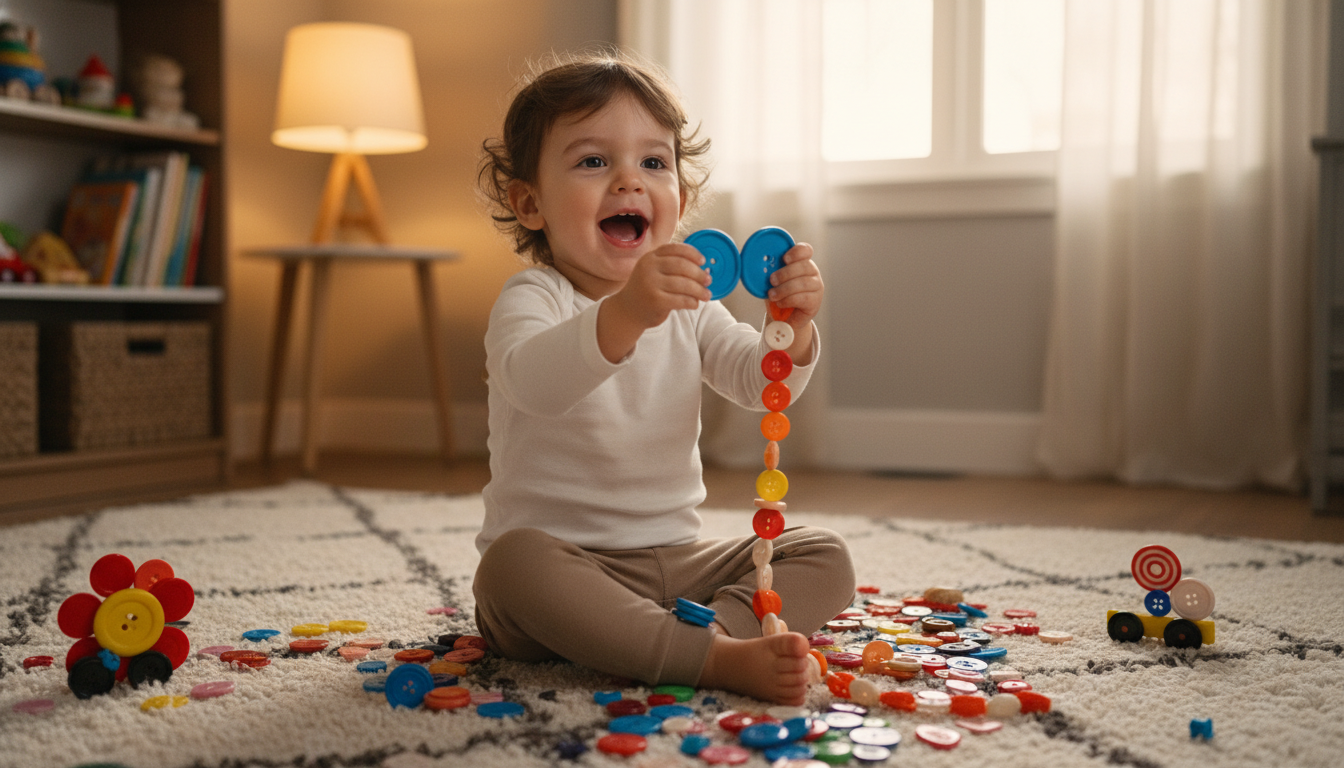
Say hello to the AMOSTING Button Art Toy Color Matching Pegboard—a fantastic pick for kids ages 3 to 4 who love snapping and matching. Its chunky buttons are easy for small hands to grip, turning every playtime into a brain-boosting adventure.
This toy encourages toddlers to match bright colors with pattern cards, helping them:
- Build fine motor skills through pressing and snapping.
- Recognize colors while sorting and replicating patterns.
- Gain confidence by creating their own colorful designs beyond the cards.
With its simple, sensory-friendly design that clicks satisfyingly with each button press, it’s a perfect balance of purposeful learning and playful fun that keeps toddlers engaged.
Why Sensory and Interactive Toys Make a Difference
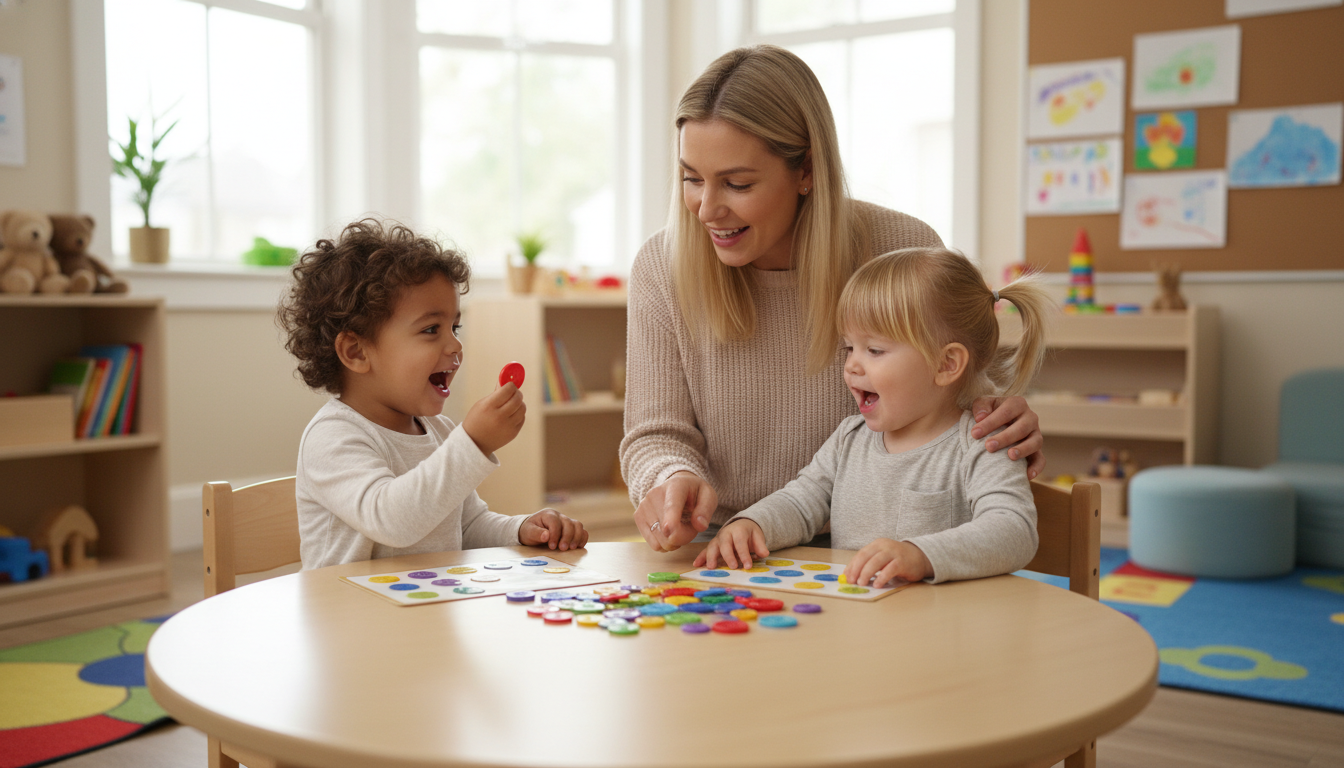
Educational leaders like the National Association for the Education of Young Children (NAEYC) stress that sensory-rich play is vital for early brain development.
- Engaging multiple senses speeds up neural growth and motor skills.
- Toys like pegboards prepare kids for writing and everyday independence.
- Interactive toys with sound and movement, like the Move2Play Interactive Baby Ball with Music and Sound, use smart sensors to encourage language and cognitive progress.
- Color matching also nurtures early math skills such as numeracy and pattern recognition.
Occupational therapists often recommend these types of toys to improve hand strength and muscle control—key for smooth transitions into school activities and reducing frustration.
Parent Tips: Maximize Learning with Play
Your involvement supercharges your child’s playtime benefits. Try these tips with the AMOSTING Color Matching Pegboard and similar toys:
- Set up a calm, inviting space free from distractions to help focus.
- Play alongside your toddler, naming colors and shapes, then encourage independent tries.
- Use guided questions like, “Which button fits this yellow spot? Let’s find it together!”
- Rotate toys and pattern cards regularly to keep challenges fresh.
- Invite your child to tell stories about their designs, nurturing creativity.
- Combine with sensory toys like the Move2Play ball to stimulate both body and brain.
If frustration arises, take a deep breath and celebrate effort—it’s all part of learning.
Reflect Before You Buy: Questions for Thoughtful Choices
Before picking out educational toys, consider:
- Which skills does my child need to develop most? Fine motor? Colors? Creativity?
- Do the toys encourage both structured learning and imaginative play?
- How much sensory, hands-on interaction does my child experience daily?
- How can I mix solo and guided play to foster language and social growth?
Final Thoughts
Choosing educational toys for toddlers is more than shopping—it’s investing in joyful, brain-building experiences. Toys like the AMOSTING Button Art Toy Color Matching Pegboard combine sensory play with skill building to help little learners grow fine motor skills, color awareness, cognitive flexibility, and creativity.
By turning playtime into colorful, tactile learning moments filled with encouragement and fun, parents lay the groundwork for confident, curious kids ready to explore the world.
3 Practical Tips Before Buying Educatio...